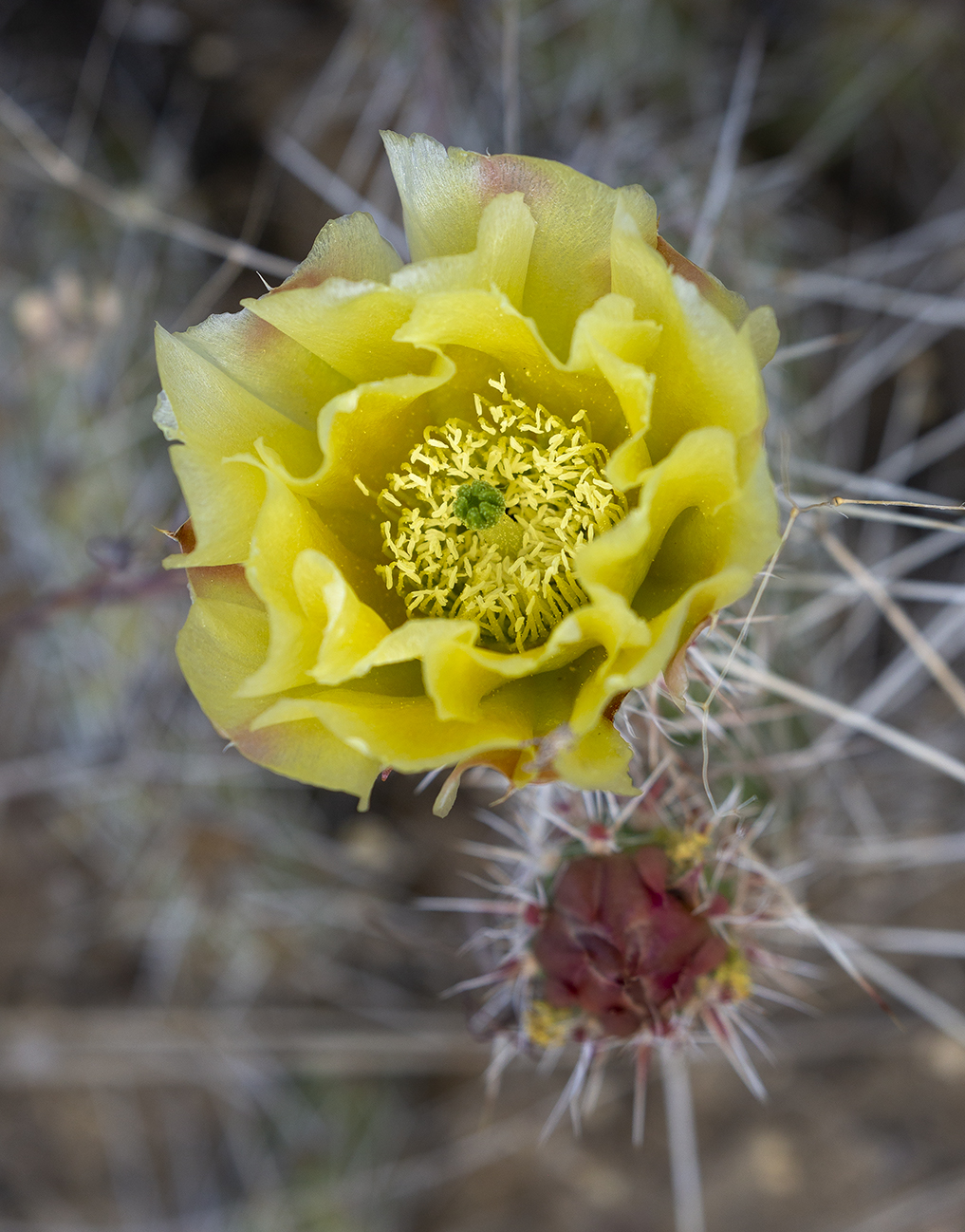
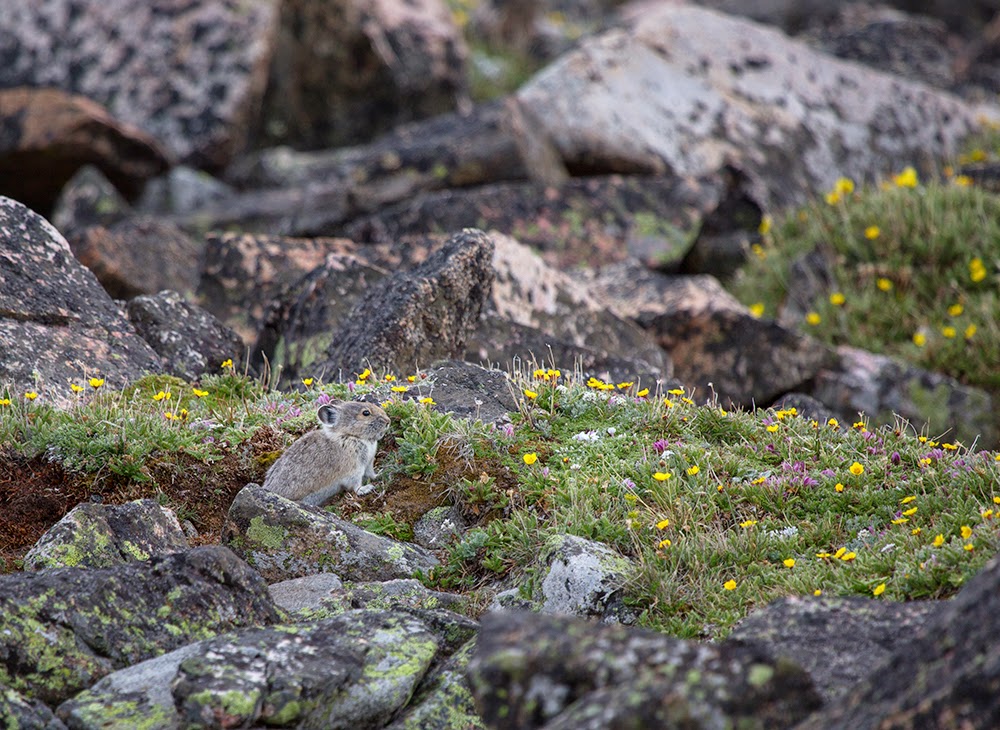
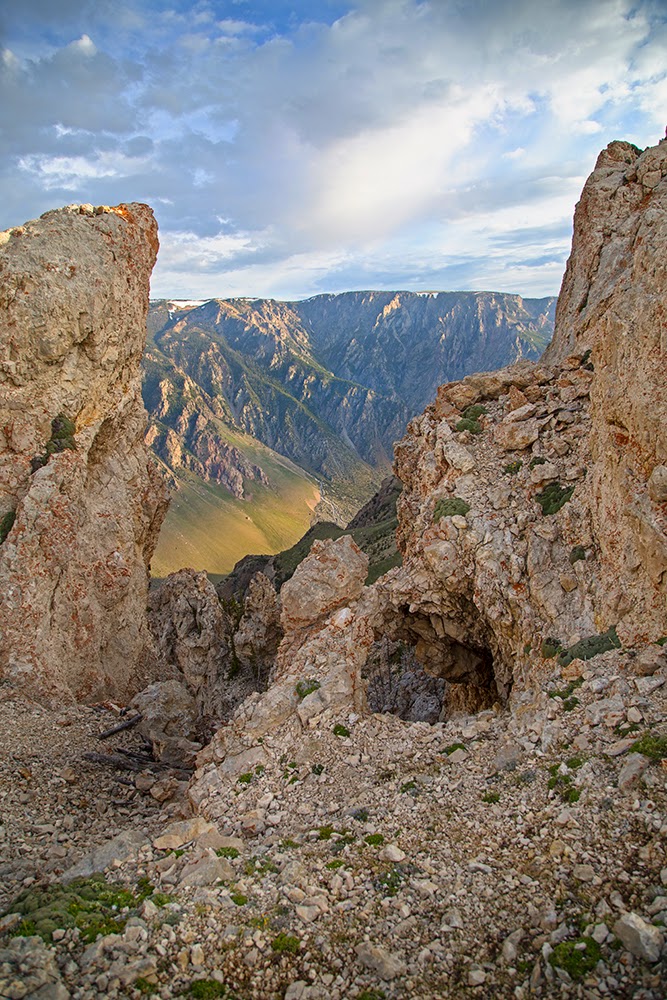
Below are just a few of the species I see on a regular basis this time of year.
Showing posts with label flora. Show all posts
Saturday, June 27, 2020
Return of the "Flying Flowers"
The first butterflies usually appear in my little section of Northwest Wyoming in late April. It is always a surprise to discover the bright splashes of color during days which are still often more like winter than summer. Almost always, the early arrivals are the Wyoming state butterfly, Sheridan's Green Hairstreak. They tend to disappear as quickly as they arrive and they are followed by a slow trickle of other species: Boisduval's Blue, Melissa Blue, then a Black Swallowtail or two, maybe a Crescent and a Checkerspot, gradually building in number and species until we get to mid-June and it suddenly seems like there are "flying flowers" everywhere! And once the Fritillaries and the Wood Nymphs arrive, the air is full of color and motion!
Sunday, June 24, 2018
Butterflies and Wildflowers
One of the great things about growing old is that every year I realize how little I know. I figure that as long as I have so much still to learn, life will continue to be an adventure!
I have never found a reference book I really like for butterflies and moths of Wyoming and there seems to be little information on the web about these particular creatures in this area. We have lots of Fritillaries and Suphurs along with our share of Checkerspots and Wyoming Satyrs. We also see the occasional Painted Lady, Swallowtails and Question Marks but this year the biggest groups seem to be the Coppers and the Blues, both members of the "Little Butterflies" family. The range of colors of these tiny butterflies is amazing. Over the last couple days alone I have photographed at least three distinct patterns.
![]() |
| Blue on Cota |
![]() |
| Cota Flower |
Unlike butterfly books, I have a variety of wildflower references I find invaluable. Surprisingly, one I find extremely helpful is a book of flowers of the Texas Plains that I stumbled into a number of years ago. I have identified a large number of wildflowers on our property, including Cota, from the Texas book. These are plants that are usually not identified in books on Wyoming wildflowers.
![]() |
| Cota Plant |
![]() |
| Blue on blooming sage |
![]() |
| Blue variation |
Monday, June 18, 2018
Cacti
Despite the fact that we live in high desert - or maybe because of it - the wildflowers of spring are always a treat. This has been an exceptional year so far because of an unusual amount of moisture that is still falling today.
One of the classic desert plants is cactus. We have two varieties on our place: Prickly Pear, which makes up about 99.99% of the spiny species and Cushion Nipple Cactus, which makes up the other .01%.
The Prickly Pear are just starting to bloom and like everything else this year, they are amazing.
The flowers are usually yellow although we have a certain number that are salmon colored or somewhere in between.
The blooms on the Cushion Nipple Cacti are much smaller and they seem to last for only a day or two (no wonder there are so few of them!) so it is tricky to catch them at just the right time. The amazing thing about their flowers is the coloration which makes them appear to glow from within.
One of the classic desert plants is cactus. We have two varieties on our place: Prickly Pear, which makes up about 99.99% of the spiny species and Cushion Nipple Cactus, which makes up the other .01%.
The Prickly Pear are just starting to bloom and like everything else this year, they are amazing.
The flowers are usually yellow although we have a certain number that are salmon colored or somewhere in between.
The blooms on the Cushion Nipple Cacti are much smaller and they seem to last for only a day or two (no wonder there are so few of them!) so it is tricky to catch them at just the right time. The amazing thing about their flowers is the coloration which makes them appear to glow from within.
Sunday, May 28, 2017
Kelseya
![]() |
| Kelseya looks like a cross between moss and bonsai. A closer look reveals tiny leaf clusters from whose centers the flowers bloom. |
I like to think of myself as a flexible person, open to spontaneous adventure. But Facebook Memories reminds me that in regard to certain things, I am pretty much a creature of habit. For at least four of the last five years, Ken and I have made the hike to the top of Flatiron in the last week of May to search for blooming Kelseya. We knew that we were probably going to be too early this year because of the long winter and cool spring, and we were right. The flowers are just beginning to form and will probably be at their peak in another 10 days to two weeks. Unfortunately our calendar is pretty jammed for the next few weeks so we decided to make the trek anyway.
Because of the location of this particular patch of flowers, it is not easy to simply say we will be back another day. Thanks to the generosity of our neighbor in allowing us to park in his back field, we were able to do the trip in about 5 hours. Although there is no public access, we can actually hike directly from our place but it adds another difficult five miles onto an already tough eight mile hike. After parking the car, the first mile is a fairly flat walk across the prairie but then you bushwhack, occasionally catching a game trail, to the top, climbing approximately 2500' over the next three miles.
![]() |
| This plant is just beginning to form its beautiful red flowers.When in full bloom each flower will measure approx. 1/4" in diameter. |
Looking southeast from the top gives a view of Heart Mountain and the Clarks Fork River. The coolness of the day made for comfortable hiking and less haze in the distance.
Another surprise discovery was this patch of Alpine Clematis growing from a crack in a limestone wall.I was photographing this Northern Flicker in a tree when Ken came over the ridge and spooked him. The sun caught his wings as he flew.
On our way to the back field we saw a pair of Magpies dive-bombing something in a pile of rock. When I got out of the car to see what they were harassing I discovered this Long-tailed Weasel staring back at me. At certain elevations the Shooting Stars are in their prime.
The final image is a seven shot pano looking to the northwest from the top, along the Beartooth Front. It is easy to see why this is such a wildlife corridor in the winter months as the animals retreat to lower elevations from the snowy peaks. The Forest Service is considering allowing a four-wheeler trail all along this stretch, a move I believe would be disastrous for wintering wildlife.
Saturday, August 9, 2014
The Best Kept Secret
One of the best kept summer secrets of this area is the Woody Creek Cabin owned and operated by Beartooth Powder Guides. The cabin sees quite a bit of use from back country skiers in the winter months but tends to be forgotten by the locals once summertime rolls around.
Located a short two and a half miles (admittedly all uphill) from Cooke City, the cabin is basically luxury "camping" in a beautiful, pristine part of the ecosystem. Although you end up sleeping in Montana, much of the best hiking out of the cabin is in Wyoming, just a mile south of the building site.
Ken and I hiked in on Thursday with the goal of trekking up to Submarine Rock on Friday. The weather was threatening as we drove across Chief Joseph highway and rain started to fall as we arrived in Cooke. The thunder and lightning were impressive but we decided to push forward and make our way up the 1000' in elevation to the cabin. Much of the heavy weather was to the southeast of the trail in the area of Pilot Peak and when we arrived at the falls on Woody Creek we saw the result, evident in the photo above. The Absaroka Mountains were formed by past volcanic activity and are much more prone to erosion than the granite heavy Beartooths to the north and east.
One of the many joys of living in this area is the ability to find "spring" in any month from March to September, depending on the elevation. The wildflowers were spectacular everywhere we went and I had a chance to play a little with my macro lens.
Our garden was overflowing with columbines of every color this year but there is something about the wild variety that is so much more delicate and beautiful than the cultivated flower.
On Friday we woke to relatively clear skies with a little mist in the lower areas by the river. We headed out about 7:30 am, expecting a long day getting to our destination.
The fringed gentian were just beginning to bloom, still furled in their newness.
This ground squirrel was totally unfazed by our presence and continued collecting and eating wildflowers as we watched. This is the first time I have ever seen a ground squirrel at this elevation - approximately 10,200'.

The paintbrush were glorious in shades of red and magenta, luminous against the bright green of the grasses.
Elephant heads were growing in the marshy areas. I never tire of the amazing details of each flower with ears and trunk so like the pachyderm for which it is named!
Once we made our way up to Submarine we had a great view of Pilot and Index, although we were looking right into the sun. It is not often one gets the chance to take a shot of Pilot from just 1500' below its summit.
This shot of Submarine shows just how verdant the area was. The snow had just recently melted from much of this area and the moss and flora are at their peak.
The view from the top to the north shows the Beartooths in all their glory. If you look closely, you can actually see a few of the buildings in Cooke City far below on the left.
The hike ended up taking less time than we expected and we were back at the cabin by early afternoon, just in time for the next round of afternoon thunderstorms!
Located a short two and a half miles (admittedly all uphill) from Cooke City, the cabin is basically luxury "camping" in a beautiful, pristine part of the ecosystem. Although you end up sleeping in Montana, much of the best hiking out of the cabin is in Wyoming, just a mile south of the building site.
Ken and I hiked in on Thursday with the goal of trekking up to Submarine Rock on Friday. The weather was threatening as we drove across Chief Joseph highway and rain started to fall as we arrived in Cooke. The thunder and lightning were impressive but we decided to push forward and make our way up the 1000' in elevation to the cabin. Much of the heavy weather was to the southeast of the trail in the area of Pilot Peak and when we arrived at the falls on Woody Creek we saw the result, evident in the photo above. The Absaroka Mountains were formed by past volcanic activity and are much more prone to erosion than the granite heavy Beartooths to the north and east.
One of the many joys of living in this area is the ability to find "spring" in any month from March to September, depending on the elevation. The wildflowers were spectacular everywhere we went and I had a chance to play a little with my macro lens.
Our garden was overflowing with columbines of every color this year but there is something about the wild variety that is so much more delicate and beautiful than the cultivated flower.
On Friday we woke to relatively clear skies with a little mist in the lower areas by the river. We headed out about 7:30 am, expecting a long day getting to our destination.
The fringed gentian were just beginning to bloom, still furled in their newness.
This ground squirrel was totally unfazed by our presence and continued collecting and eating wildflowers as we watched. This is the first time I have ever seen a ground squirrel at this elevation - approximately 10,200'.

The paintbrush were glorious in shades of red and magenta, luminous against the bright green of the grasses.
Elephant heads were growing in the marshy areas. I never tire of the amazing details of each flower with ears and trunk so like the pachyderm for which it is named!
Once we made our way up to Submarine we had a great view of Pilot and Index, although we were looking right into the sun. It is not often one gets the chance to take a shot of Pilot from just 1500' below its summit.
This shot of Submarine shows just how verdant the area was. The snow had just recently melted from much of this area and the moss and flora are at their peak.
The view from the top to the north shows the Beartooths in all their glory. If you look closely, you can actually see a few of the buildings in Cooke City far below on the left.
The hike ended up taking less time than we expected and we were back at the cabin by early afternoon, just in time for the next round of afternoon thunderstorms!
Friday, July 4, 2014
Cruisin' the Beartooths
Yesterday we decided to celebrate Independence Day early by driving up into the Beartooths and then having a nice dinner in Red Lodge.
Just a few miles from home the skies darkened and rain started to fall but by the time we reached the top of the plateau the skies were beginning to clear.
We had no real destination in mind. The goal was simply to see what the snow condition looked like in advance of some backpacking trips in the area. Unfortunately it seems clear that we will have to wait a few more weeks at least before we can think of taking llamas into the mountains.
The wildflowers in the snow-free areas are colorful and abundant as is to be expected in a year with such high moisture levels.
The mountain goats were visible from afar. We could see at least three kids-of-the-year so decided to stay quite a ways back to keep from stressing the animals.
Years ago I took a workshop from renowned wildlife artist Robert Bateman. One thing he said that has stuck with me is that when depicting wildlife you can either feature the orchestra or the soloist but not both. I think the shot above is about the orchestra. The goat is an interesting focal point but the image is really about the wonderful textures and lines of the background.
I told Ken I wanted to try and capture a shot of a pika. He was willing to scramble among the rocks with me in search of the small rodents. There was no shortage of the creatures but getting a good shot was not easy as they seemed to know exactly when the lens was pointed their way!
The last shot shows that there are many more wildflowers to come. This is a cluster of silky phacelias just getting ready to bloom.
Just a few miles from home the skies darkened and rain started to fall but by the time we reached the top of the plateau the skies were beginning to clear.
We had no real destination in mind. The goal was simply to see what the snow condition looked like in advance of some backpacking trips in the area. Unfortunately it seems clear that we will have to wait a few more weeks at least before we can think of taking llamas into the mountains.
The wildflowers in the snow-free areas are colorful and abundant as is to be expected in a year with such high moisture levels.
The mountain goats were visible from afar. We could see at least three kids-of-the-year so decided to stay quite a ways back to keep from stressing the animals.
Years ago I took a workshop from renowned wildlife artist Robert Bateman. One thing he said that has stuck with me is that when depicting wildlife you can either feature the orchestra or the soloist but not both. I think the shot above is about the orchestra. The goat is an interesting focal point but the image is really about the wonderful textures and lines of the background.
I told Ken I wanted to try and capture a shot of a pika. He was willing to scramble among the rocks with me in search of the small rodents. There was no shortage of the creatures but getting a good shot was not easy as they seemed to know exactly when the lens was pointed their way!
The last shot shows that there are many more wildflowers to come. This is a cluster of silky phacelias just getting ready to bloom.
Saturday, June 28, 2014
Bald Ridge Rainbow
Every summer Ken and I take a couple of serious, multi-day pack trips into the mountains, usually with the llamas hauling most of our gear. This year we are striving to add on a number of super short, one night trips to a few special locations with the goal of capturing some "magic hour" shots. For these mini adventures we are carrying the absolute minimum amount of gear, not including camera equipment.
Our first excursion took place earlier this week with a drive up to the top of Bald Ridge and a short hike into a place where we could set up camp for the night.
In my opinion the results of this effort were well worth it. I was hoping to come away with one or two shots to add to my growing collection of one-a-days of Heart Mountain which I have been snapping since January first of this year. I feel as though I achieved my goal and then some. The wildflowers were in perfect form and the sudden rainstorm that passed quickly through the area left a sky that begged to be photographed!
These images are not in chronological order as the first few are from the next morning and the ones from the evening before are further down the page. We pulled ourselves out of the tent just a few minutes after 5 am to capture some color in the morning sky.Not far from the tent I was scolded by a squirrel. When I turned around to take her photograph I discovered why she was upset - she was protecting two babies that she had stashed away in an old woodpecker hole.
The larkspur and wall flowers were at their peak.
Just after dinner we huddled in the tent to wait out a passing rain storm. As soon as it was over we grabbed the camera gear and ran for a perch at higher elevation in the hopes of capturing the aftermath in the magical light of the evening. I ended up with two shots that really made the trip for me. The first one is special because of the double rainbow as well as the view of the tent in the lower right corner. It definitely gives you a sense of scale!
The photo below was shared on Facebook and has received a lot of nice comments for which I am extremely grateful. It was actually snapped on the way back to camp after most of the storm had passed by.
I learned something the next morning when we again climbed up the ridge to try and photograph the land to the west. In reality I should have been taking those shots the night before as well. The canyon is so deep that the shadows from the ridge I was on were not allowing any of the images I thought I would be getting. Oh well…that just gives me an excuse to go back and try again!
On the way out to the highway we came to a field at lower elevation where the prairie smoke were abundant and perfect. Even though the rain had once again started to fall we stopped long enough to take a few shots of this colorful flower.
Subscribe to:
Posts (Atom)